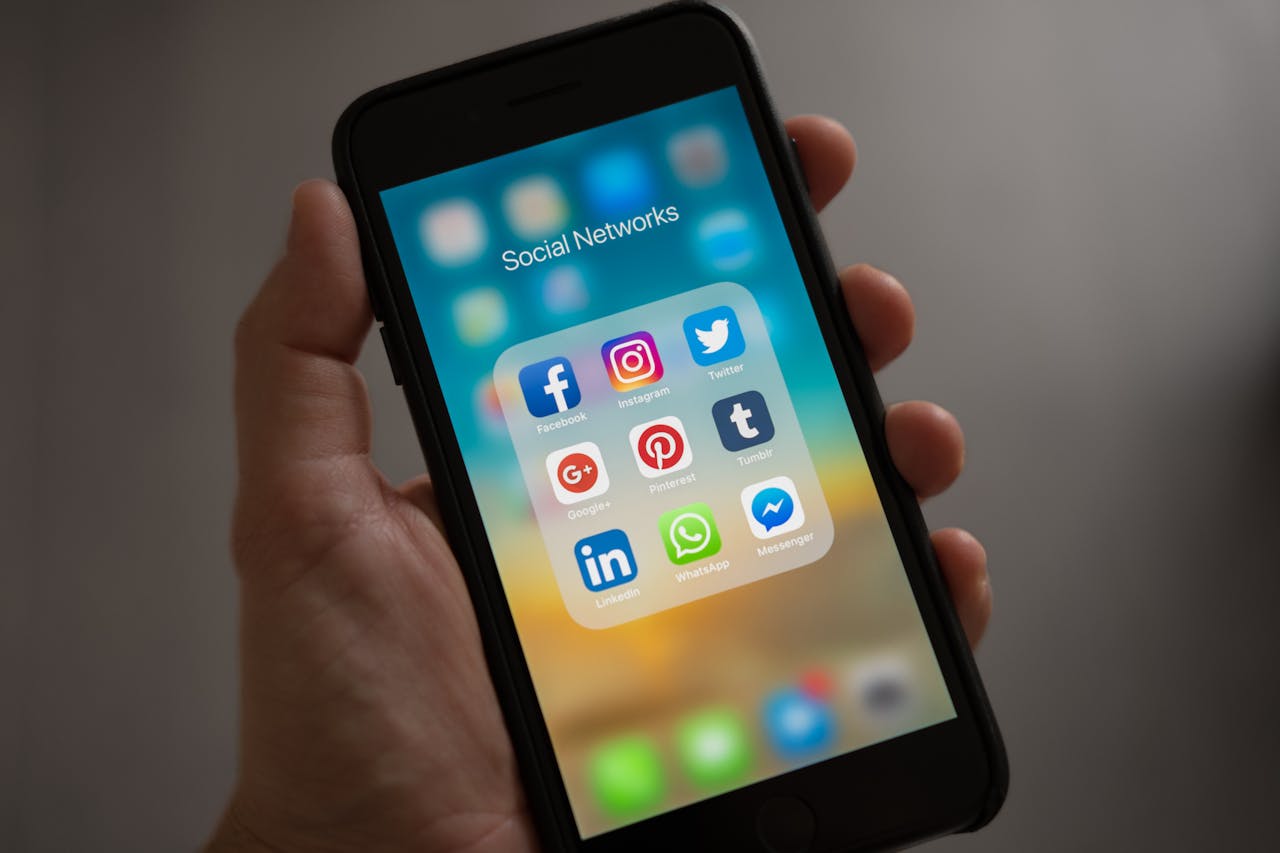
Paid Social Advertising for E-commerce: Meta, TikTok & Pinterest Ads
Organic reach on social platforms has been shrinking for years. For e-commerce brands, paid social advertising is now the engine that fills the funnel, recovers abandoned carts, and converts window-shoppers into buyers. But throwing money at Meta ads without a strategy is just as expensive as doing nothing.
This guide breaks down how to run profitable paid social campaigns on Meta, TikTok, and Pinterest — three platforms that account for the majority of social-driven e-commerce revenue. You will learn how each platform’s algorithm rewards advertisers, which ad formats drive the highest return, and how to structure campaigns that scale.
Why Paid Social Works Differently for E-commerce
Before diving into platform specifics, understand what makes paid social fundamentally different from paid search. Search captures demand that already exists — someone typing “buy running shoes size 10” knows what they want. Social creates demand. You are interrupting a scroll and convincing someone they need something they were not actively seeking.
That distinction shapes every creative, targeting, and bidding decision you make. According to Meta’s advertising research, the average e-commerce advertiser on Facebook and Instagram reaches customers at multiple stages of the funnel from a single account — a unique capability that makes the platform essential for most stores.
The three platforms covered here serve different intents:
- Meta (Facebook + Instagram): Broadest audience, most sophisticated targeting, strongest retargeting infrastructure
- TikTok: High purchase intent among 18-34 demographics, especially impulse and lifestyle categories
- Pinterest: High-income, purchase-ready users actively searching for products — a hybrid of social and search
Each demands a distinct creative approach and campaign architecture.
Meta Ads: Building a Full-Funnel Machine
Campaign Structure That Scales
Meta’s Advantage+ Shopping Campaigns (ASC) have changed how most e-commerce advertisers structure campaigns. Rather than the old cold/warm/hot segmentation across dozens of ad sets, ASC consolidates everything into a single campaign where Meta’s algorithm allocates budget dynamically between prospecting and retargeting.
For brands spending over $5,000 per month on Meta, the recommended structure is:
- One Advantage+ Shopping Campaign covering all products or your top-revenue catalog segments
- One manual prospecting campaign testing new creatives against cold audiences built from Lookalike Audiences of your best customers (high LTV)
- One retargeting campaign targeting website visitors (90-day window), video viewers (75%+ completion), and abandoned-cart audiences with dynamic product ads
This three-campaign setup gives algorithmic efficiency while retaining enough manual control to test and learn.
Creative That Converts on Meta
The single biggest lever in Meta performance is creative. Meta’s Creative Best Practices guide shows that creative quality accounts for roughly 56% of a campaign’s incremental sales lift.
What works in 2025-2026:
- UGC-style video (15-30 seconds): A real customer or creator showing the product in context, with text overlays hitting the key benefit by second three
- Static product-in-use images: Clean lifestyle photography with benefit-focused copy. These outperform glossy brand imagery for direct response
- Carousel ads: Especially effective for fashion, home goods, and beauty — each card shows a different product with its own CTA link
- Dynamic product ads (DPA): Automatically pull from your catalog to show users the exact item they viewed. Essential for retargeting
Test at least three creative angles simultaneously: a problem/solution angle, a social proof angle (reviews, customer counts), and a features/benefits angle. Let Meta’s algorithm identify the winner before scaling.
Bidding and Budget
For new accounts, start with Cost Per Result Goal rather than Lowest Cost. This prevents early budget combustion while Meta learns your conversion patterns. Once you have 50 or more purchase events per week, switching to Highest Volume with a ROAS target often unlocks scale.
A practical rule of thumb: your daily budget per ad set should be at least 10x your target CPA. If you want a $40 cost per purchase, run no less than $400 per day per ad set.
TikTok Ads: Riding the Entertainment Algorithm
Why TikTok Is Different
TikTok’s ad algorithm is interest-and-behavior based, not social-graph based. Users do not need to follow you for your ad to reach them. TikTok for Business reports that 67% of users say TikTok inspired them to shop even when they were not looking to. That is the platform’s superpower for e-commerce: it generates purchase intent from scratch.
Campaign Structure on TikTok
TikTok’s Smart Performance Campaign (SPC) mirrors Meta’s ASC — it automates audience, bidding, and creative placement. For accounts with at least 100 purchase events on their pixel, SPC is the fastest path to consistent ROAS.
For smaller pixel histories, build manually:
- Top of funnel: Broad targeting with Video Views or Reach objectives — let the algorithm find buyers
- Middle of funnel: Retarget video viewers (25%+ completion) and profile visitors with educational content or a softer offer
- Bottom of funnel: Website custom audiences (product page visitors, add-to-carts) with dynamic showcase ads
Creative That Doesn’t Look Like an Ad
TikTok’s own research shows native-feeling ads — casual voiceover, trending audio, no polished production — significantly outperform traditional ad creative. The TikTok Creative Center is invaluable: filter top-performing ads by industry, region, and objective to see what is resonating in your category right now.
A practical creative formula:
- Hook (0-3 seconds): Visceral or bold claim. On-screen text and spoken word must align
- Demo (3-15 seconds): Show the product working — before/after, unpacking, real use
- Social proof (15-22 seconds): Review count, star ratings, “X thousand sold this week”
- CTA (22-30 seconds): Verbal and on-screen, with urgency framing where appropriate
Spark Ads — boosting an organic TikTok post from your account or a creator’s — consistently outperform standard In-Feed Ads because they carry real engagement signals (likes, comments, shares) that build credibility with new viewers.
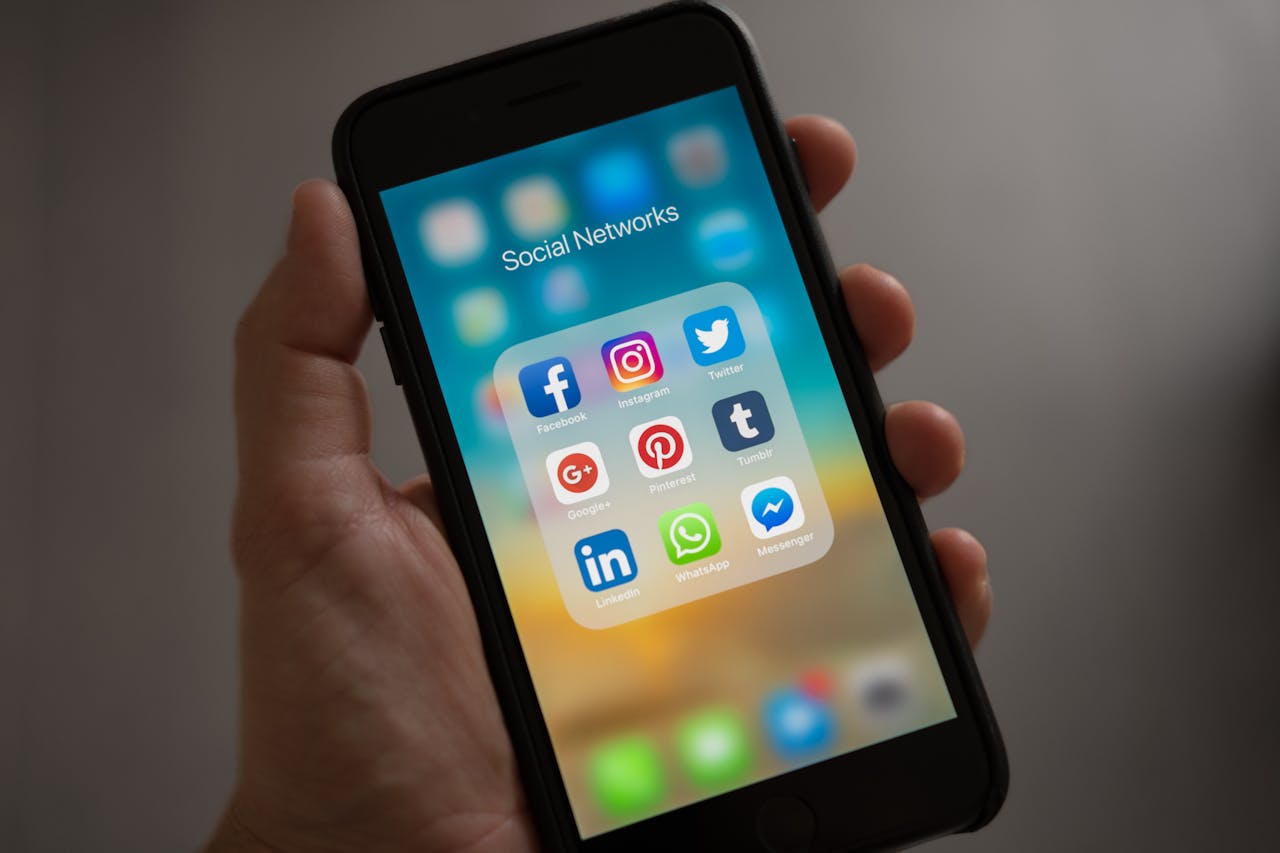
Pinterest Ads: Capturing High-Intent Discovery
The Pinterest Buyer Mindset
Pinterest users are planners. Someone pinning kitchen ideas or anniversary gift inspiration is in an active research phase that frequently ends in purchase. Pinterest’s business research shows that 83% of weekly Pinners have made a purchase based on brand content they saw on the platform.
Pinterest skews toward high-income households, with particular strength in home decor, fashion, food, weddings, and parenting — categories where average order values are also above the social media average.
Ad Formats That Drive Results on Pinterest
- Shopping Ads: Automatically generated from your product catalog, appearing in search results and browse feeds. Set up your catalog in Pinterest’s Ads Manager and run always-on campaigns for consistent direct-response performance
- Collections Ads: A hero image above three smaller product images — ideal for themed collections like “summer outfits” or “bathroom refresh kits”
- Video Pins: Short videos (6-15 seconds) work best. Many Pinterest users browse silently, so focus on transformation content that conveys value visually
- Idea Ads: Pinterest’s native-feeling format, best for brand awareness and driving saves that generate long-tail organic reach
Pinterest Targeting and Bidding
Pinterest’s keyword targeting is closer to search than any other social platform. Targeting keywords like “small bathroom storage ideas” or “minimalist living room furniture” puts your products in front of buyers mid-discovery. Moz’s guide to keyword research provides foundational methodology that transfers directly to building Pinterest keyword lists.
Layer keyword targeting with interest targeting and actalike audiences (Pinterest’s equivalent of Lookalikes, built from your customer email list or pixel data). Start campaigns on automatic bidding to gather data, then switch to custom bidding once you understand your CPM and CPC benchmarks.
Pinterest campaigns have a longer attribution window than Meta or TikTok. Set your conversion window to 30 days to capture the behavior of users who save a pin and purchase weeks later.
Cross-Platform Budget Allocation
| Platform | Best for | Minimum monthly budget |
|---|---|---|
| Meta | All categories — fashion, beauty, CPG, repeat-purchase | $3,000 |
| TikTok | Impulse purchases, youth demographics, viral-potential products | $2,000 |
| Home, fashion, food, wedding, high-AOV lifestyle | $1,500 |
For most brands under $30,000 per month in total ad spend, the optimal stack is Meta as the primary engine (60-70% of budget) with one secondary platform matching your product category. HubSpot’s social media benchmarks and WordStream’s paid social benchmarks both provide useful industry-level CPC references when calibrating initial targets.
Only expand to three platforms once you have positive ROAS on the first two and dedicated creative resources to feed each platform’s distinct format requirements.
Measurement: Handling Broken Attribution
iOS 14’s App Tracking Transparency has fractured traditional attribution. Platform-reported ROAS is inflated — Meta claims credit for conversions Google Analytics attributes to organic. A pragmatic approach:
- Install Meta Conversions API (CAPI) in addition to the pixel. Meta’s CAPI documentation covers server-side event matching that partially restores signal lost from iOS opt-outs
- Use last-click attribution in your analytics platform as a conservative baseline, then compare against platform-reported data to understand the gap
- Track blended ROAS (total revenue divided by total ad spend across all platforms) as your north-star metric, not individual platform ROAS which is always inflated by cross-platform overlap
Common Mistakes That Drain Budgets
Changing campaigns before the learning phase ends. Meta needs roughly 50 optimization events per ad set per week. Editing before that resets the learning phase and wastes accumulated algorithmic data.
Running the same creative for more than four weeks. Frequency above 3.0 on Meta indicates audience fatigue. Refresh creative before performance drops, not after.
Not excluding existing customers from prospecting. Showing acquisition offers to people who purchased last week wastes budget and annoys your most loyal customers.
Sending traffic to the homepage. Always link to the specific product page or collection page. Every additional click reduces conversion rate.
Turning Paid Social Into Predictable Revenue
Paid social advertising rewards advertisers who iterate quickly, understand platform-specific creative norms, and measure intelligently. Meta gives you scale and retargeting power. TikTok gives you discovery-driven impulse conversions. Pinterest gives you high-intent buyers already planning purchases in your category.
The brands that treat these platforms as integrated parts of a funnel — rather than separate experiments — consistently outperform those chasing quick wins on a single channel.
If you are ready to accelerate paid social results, the foundation matters as much as the advertising. Slow store speeds and weak product pages destroy ROAS regardless of how well-crafted your ads are. CodingGeek specializes in e-commerce social media marketing and works alongside our development team to ensure campaigns land on stores built to convert. Get in touch to discuss a paid social strategy built around your store’s specific products, margins, and growth targets.